Most of us think about the moment we arrive in Thailand. The warm air when you step off the plane. The long immigration line. The stamp in your passport. For most people, it is simply the beginning of a holiday. But not everyone makes it pass the counter.
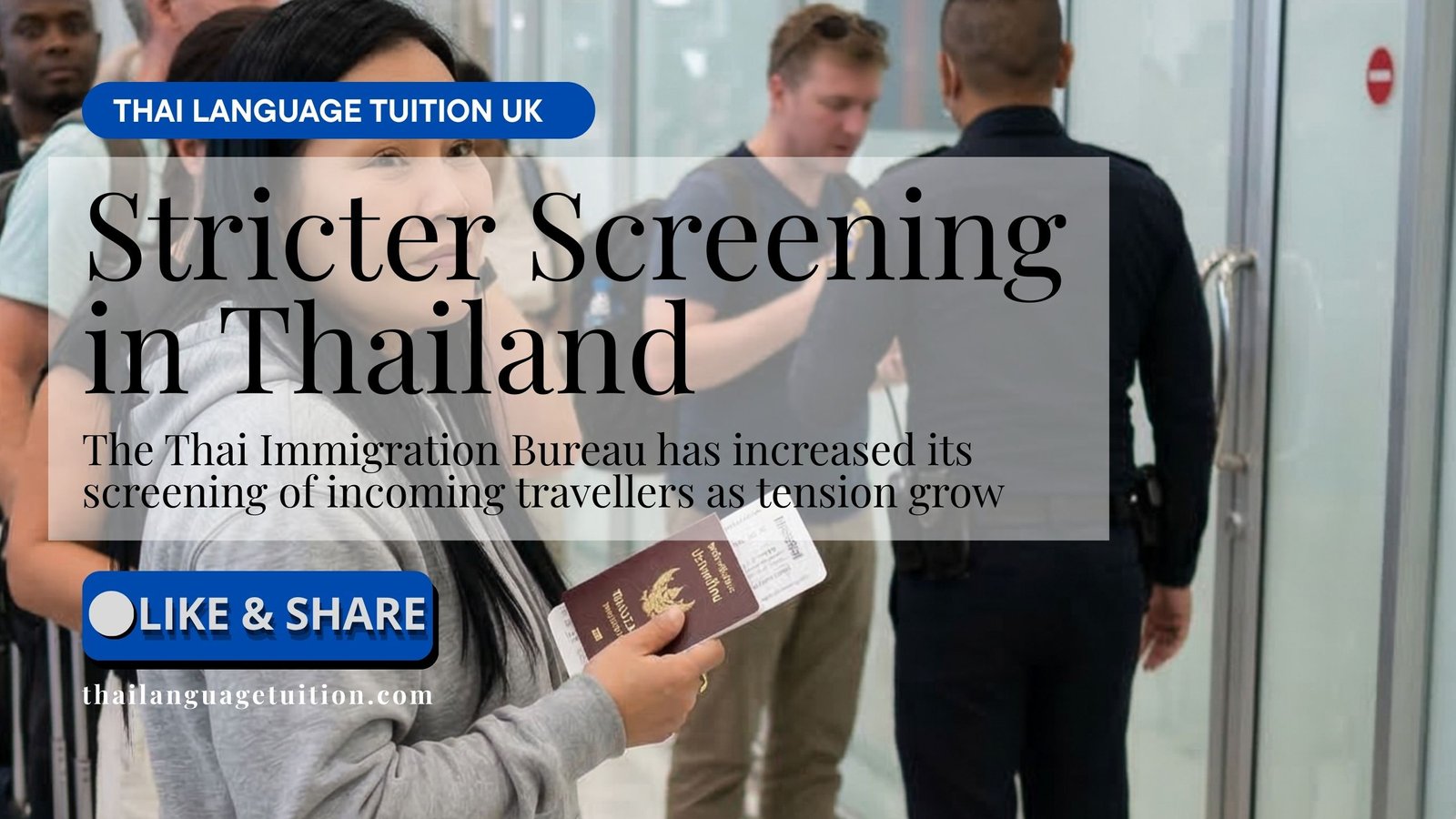
Recently, the Thai Immigration Bureau (สำนักงานตรวจคนเข้าเมือง — sǎm-nák-ngāan dtrùad khōn khâo mēuang) has increased its screening of incoming travellers as tension grow from the conflict in the Middle East. As part of these heightened security measures, more than 30 foreign individuals have already been denied entry after being flagged as suspicious during questioning and checks at the border.
For most visitors, nothing has changed. They arrive, answer a few questions, receive their passport stamp, and walk out into Thailand.
But immigration officers are trained to notice details. Sometimes it is a travel plan that does not make sense. Sometimes it is unclear finances. Sometimes it is behaviour that raises questions. And sometimes, the officer simply decides something does not feel right.
In those moments, the journey ends before it even begins.
The traveller is refused entry and sent back on the next available flight. For people unfamiliar with immigration systems, this can be surprising. Many assume that once they have a passport and a ticket, entry into a country is guaranteed. But that is rarely the case anywhere in the world.
Immigration officers in almost every country have the authority to refuse entry if they believe a traveller may pose a risk, whether related to crime, illegal work, or security concerns.
Thailand is no different.
Authorities say the stricter screening is partly a precaution connected to the current instability in the Middle East and the possibility that individuals linked to conflicts or criminal networks could attempt to enter the country posing as tourists.
At the same time, Thailand continues to welcome tens of thousands of visitors every day. Tourism remains one of the most important parts of the country’s economy, and the vast majority of travellers enter the country without any issues at all.
But situations like this reveal something interesting about Thailand.
Thailand is known around the world for its hospitality. The country often presents itself as welcoming, relaxed, and open to visitors. And in many ways, that is true. Yet, behind that warmth is also a quiet understanding that hospitality does not mean a country must abandon caution.
In Thai thinking, there is a balance. Guests should be welcomed. But the house should also be protected. Most travellers will never notice that balance. They will remember the beaches, the food, and the smiles.
But somewhere behind the scenes, at an immigration counter in an airport, someone is always quietly deciding who may enter — and who must turn around.
About Post Author