April 2026

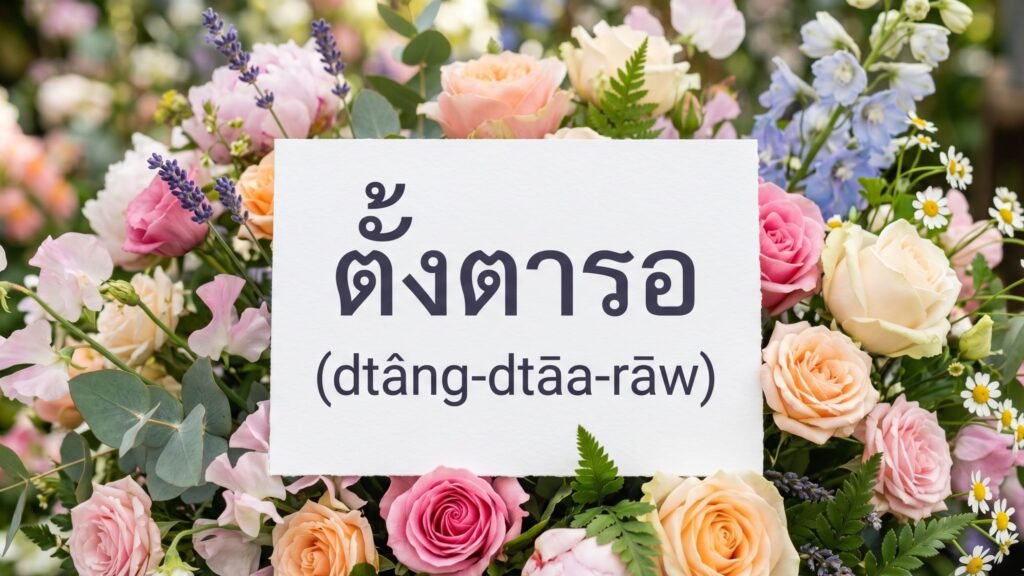
Daily Thai Confidence — Using ตั้งตารอ (dtâng-dtāa-rāw)

In this Thai lesson, we learn how to use the verb ตั้งตารอ (dtâng-dtāa-rāw), which means ‘to eagerly wait,’ ‘to look forward,’ or ‘to wait anticipation.’ It expresses a feeling of excitement and expectation about something that is going to happen.

Daily Thai Confidence — Using ตั้งตารอ (dtâng-dtāa-rāw) Read More »
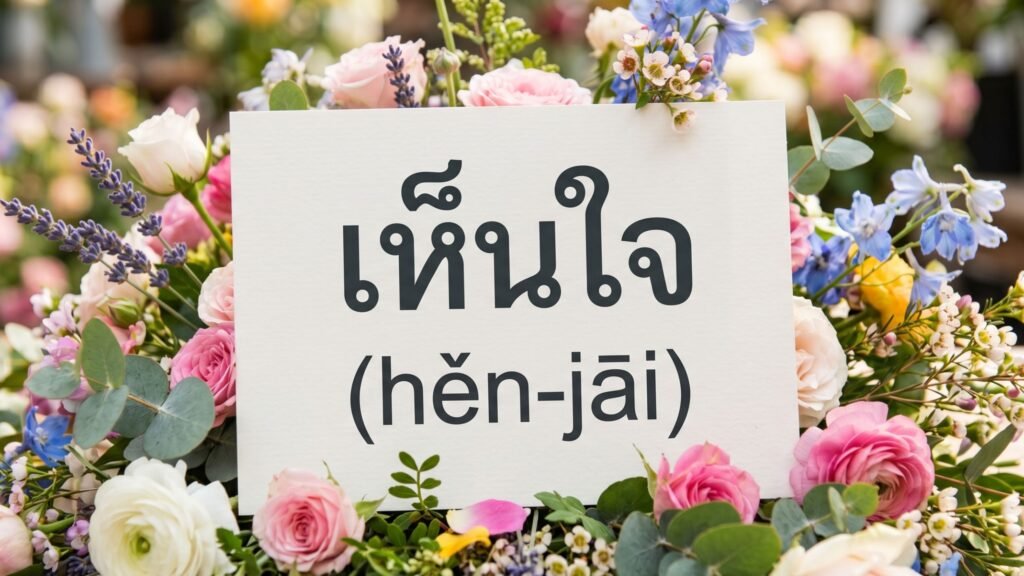
Daily Thai Confidence — Using เห็นใจ (hěn-jāi)

In this Thai lesson, we learn how to use the verb เห็นใจ (hěn-jāi), which means ‘to sympathise,’ ‘to feel for someone,’ or ‘to show understanding of someone’s feeling.’ It is used when you recognise another person’s situation and feel empathy or compassion forward them.

Daily Thai Confidence — Using เห็นใจ (hěn-jāi) Read More »

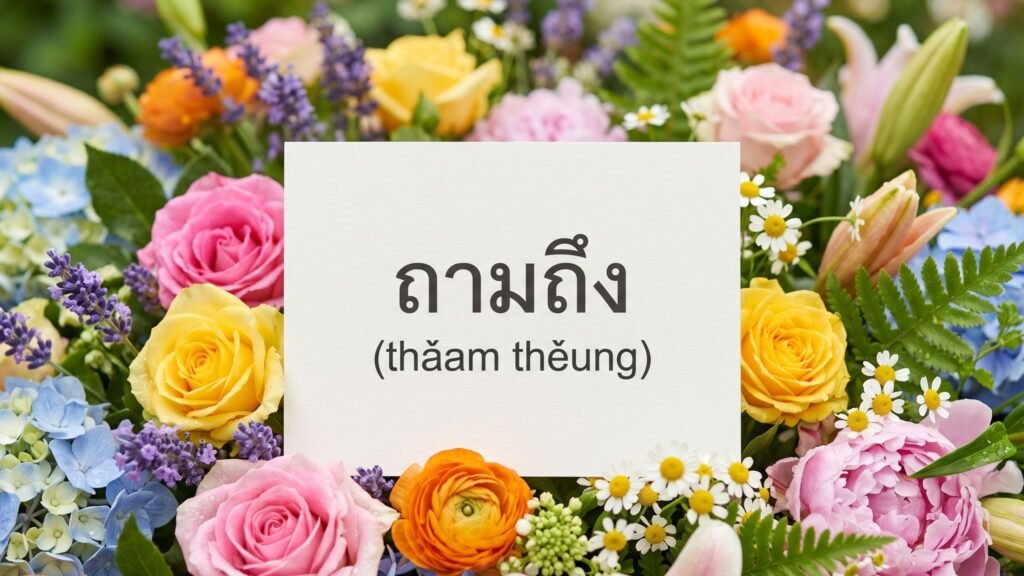
Daily Thai Confidence: Using ถามถึง (thǎam thěung)

In this Thai lesson, we learn how to use the verb ถามถึง (thǎam thěung), which means ‘to ask about,’ ‘to ask after,’ or ‘to inquire about.’ It is used when someone asks for information about a person, situation, or topic, often showing interest or concern.

Daily Thai Confidence: Using ถามถึง (thǎam thěung) Read More »

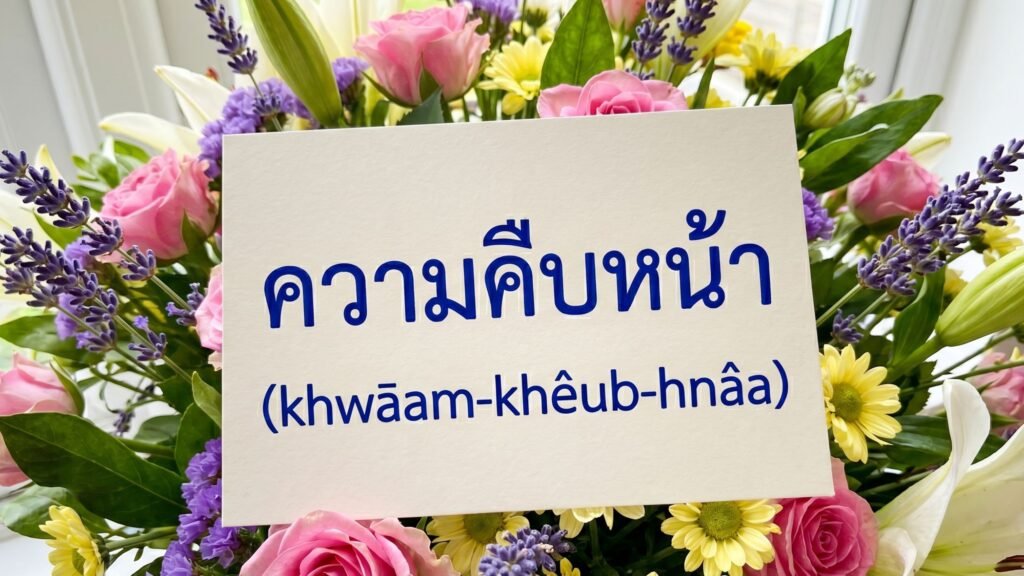
Daily Thai Confidence: Using ความคืบหน้า (khwāam-khêub-hnâa)

In this Thai lesson, we learn how to use the abstract noun ความคืบหน้า (khwāam-khêub-hnâa), which means ‘progress,’ ‘development,’ or ‘advancement’. It refers to how much something has moved forward or improved, especially in a process, project, investigation, or situation.

Daily Thai Confidence: Using ความคืบหน้า (khwāam-khêub-hnâa) Read More »

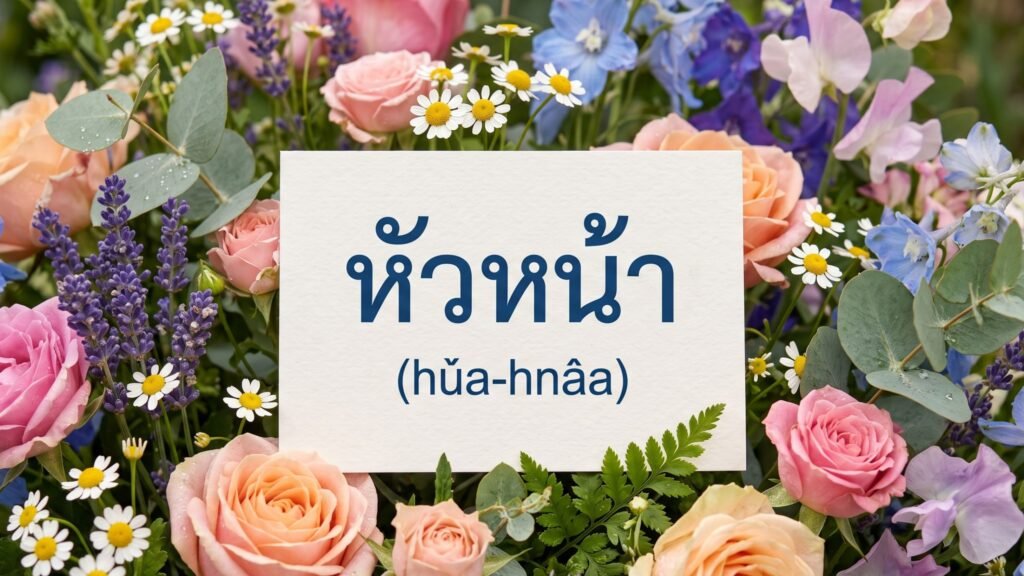
Daily Thai Confidence: Using หัวหน้า (hǔa-hnâa)

In this Thai lesson, we learn how to use the noun หัวหน้า (hǔa-hnâa), which means ‘person in charge,’ ‘leader,’ ‘supervisor,’ or ‘manager’. It refers to someone who leads a group of people or is responsible for supervising others on a workplace, organisation, or team.

Daily Thai Confidence: Using หัวหน้า (hǔa-hnâa) Read More »

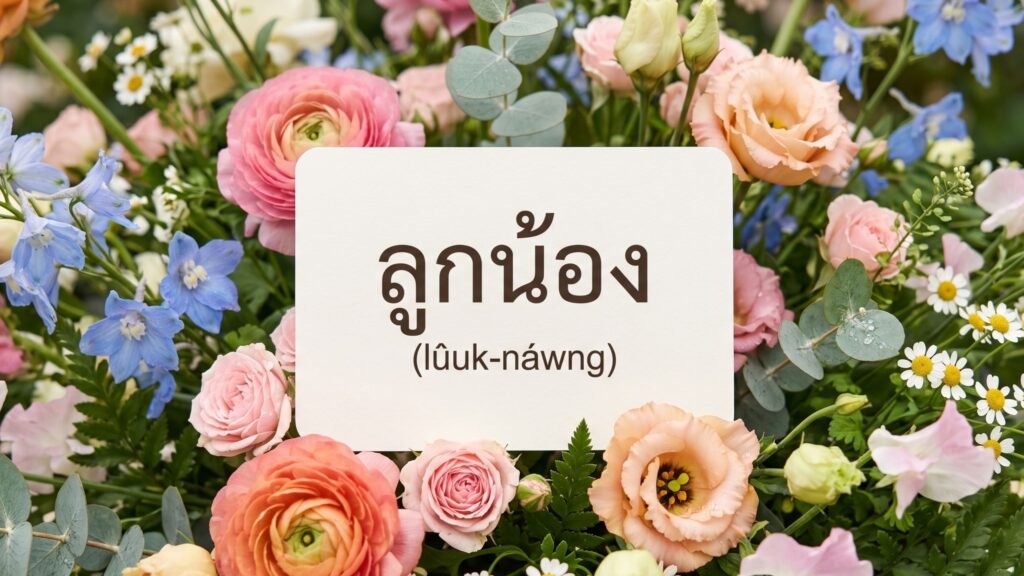
Daily Thai Confidence: Using ลูกน้อง (lûuk-náwng)

In this Thai lesson, we learn how to use the noun ลูกน้อง (lûuk-náwng), which means ‘subordinate,’ ‘junior employee,’ or ‘someone who works under a boss.’ It refers to a person who is under the authority or supervision of someone else in a workplace or organisation.

Daily Thai Confidence: Using ลูกน้อง (lûuk-náwng) Read More »

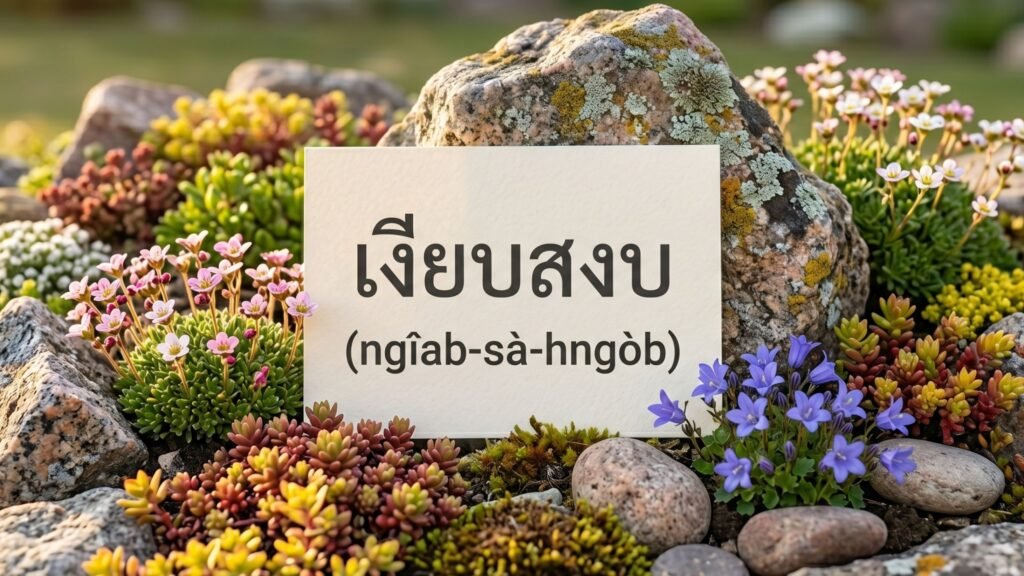
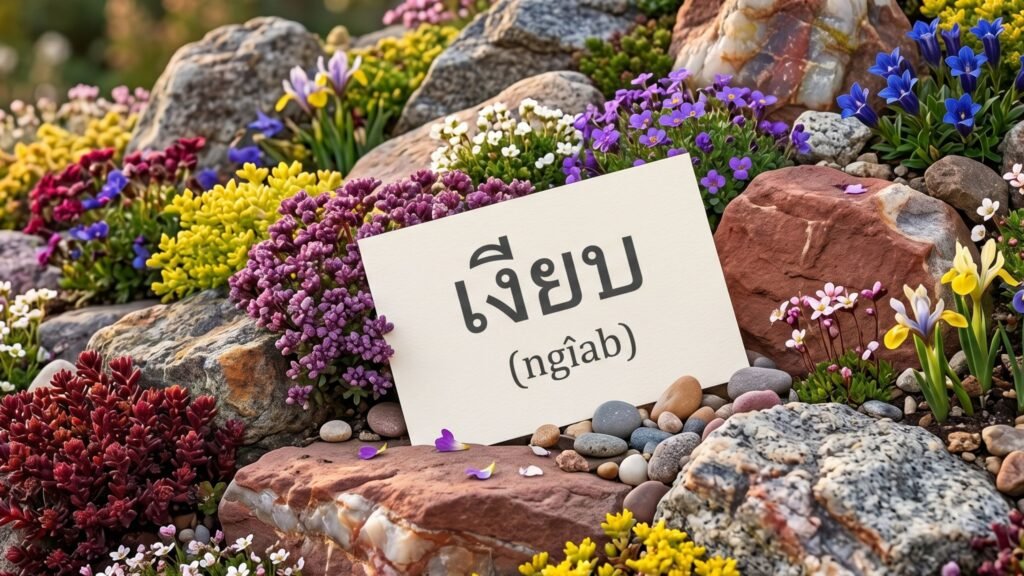
Daily Thai Confidence: Using เงียบสงบ (ngîab-sà-hngòb)

In this Thai lesson, we learn how to use the adjective เงียบสงบ (ngîab-sà-hngòb), which means ‘quiet and peaceful’. It describes a place, situation, or atmosphere that is not only quiet, but also feel calm, safe, and relaxing.

Daily Thai Confidence: Using เงียบสงบ (ngîab-sà-hngòb) Read More »

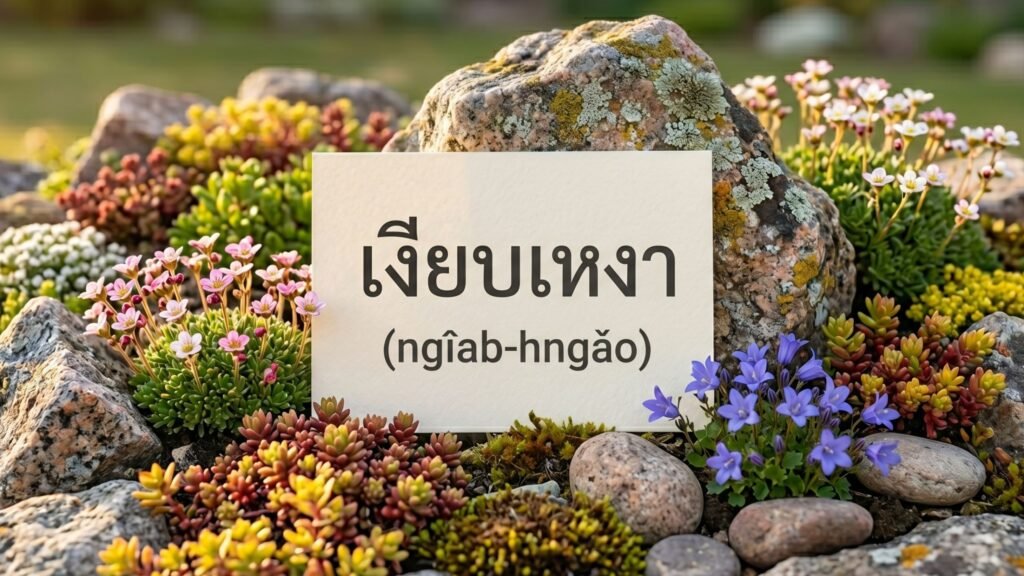
Daily Thai Confidence: Using เงียบเหงา (ngîab-hngǎo)

In this Thai lesson, we learn how to use the adjective เงียบเหงา (ngîab-hngǎo), which can be translated as ‘quiet and lonely’ or ‘silent and empty’. It is a descriptive expression often used to describe a place or atmosphere that feels deserted, still, or lacking people.

Daily Thai Confidence: Using เงียบเหงา (ngîab-hngǎo) Read More »

error: Content is protected !!