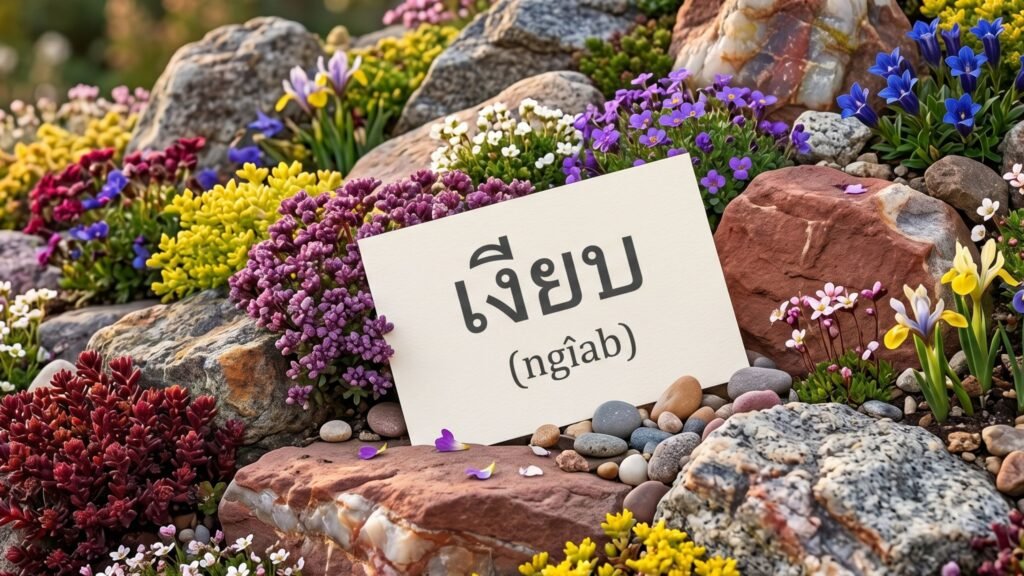
Daily Thai Confidence: Using เงียบ (ngîab)
In this Thai lesson, we learn how to use the adjective เงียบ (ngîab), which means ‘quiet,’ ‘silent,’ or ‘calm’. It is used to describe places, situations, or people when there is little or no noise.
In this Thai lesson, we learn how to use the adjective เงียบ (ngîab), which means ‘quiet,’ ‘silent,’ or ‘calm’. It is used to describe places, situations, or people when there is little or no noise.
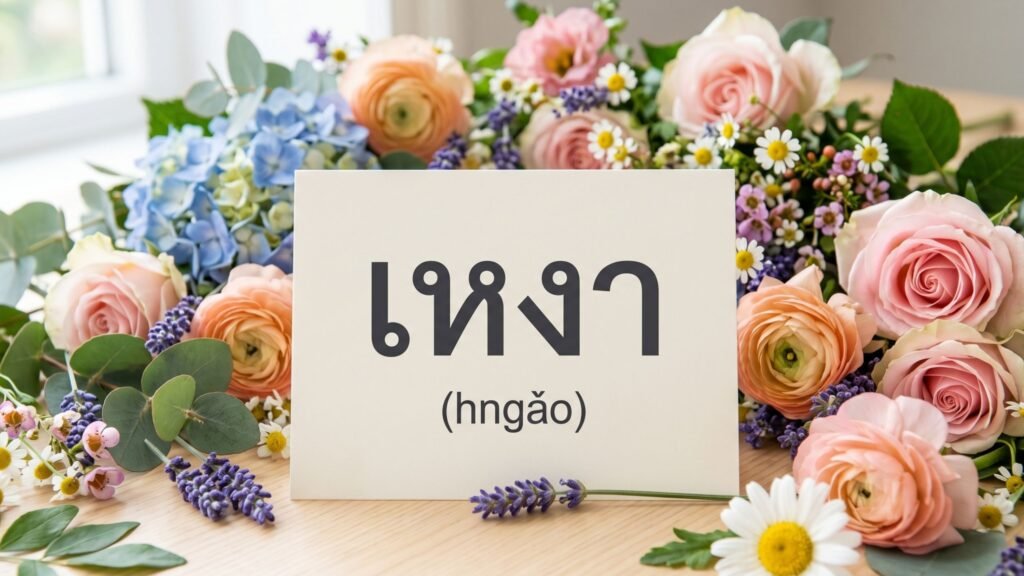
In this Thai lesson, we learn how to use the adjective เหงา (hngǎo), which means ‘lonely’ or ‘to feel lonely’. It is commonly used to describe an emotional state when someone feels alone, misses companionship, or wishes they had someone to spend time with.
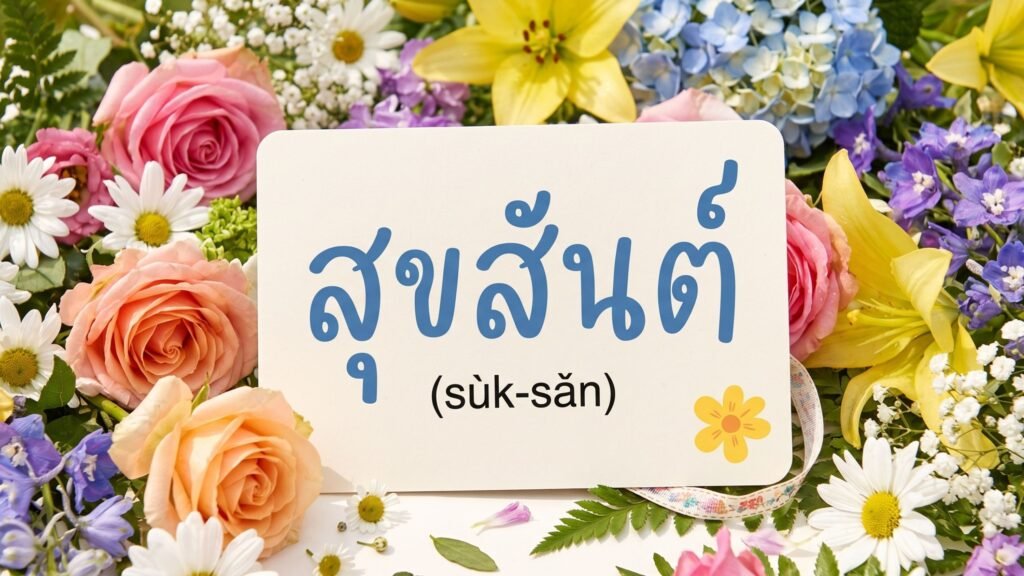
In this Thai lesson, we learn how to use the phrase สุขสันต์ (sùk-sǎn), which expresses a wish for happiness, joy, or celebration. It is most commonly used in greetings for holidays or special occasions.
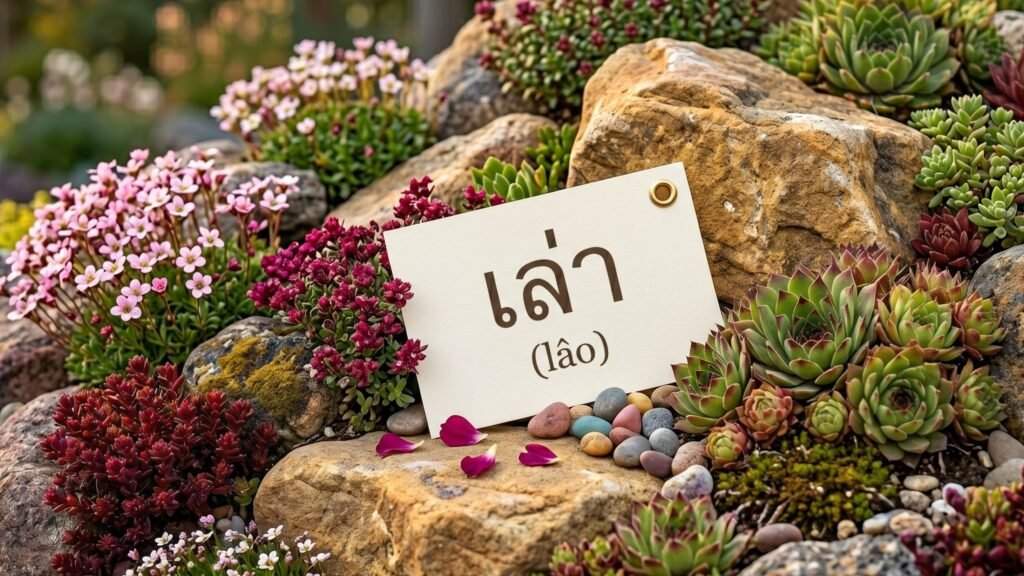
In this Thai lesson, we learn how to use the verb เล่า (lâo), which means ‘to tell,’ ‘to narrate,’ or ‘to recount’ a story, event, or experience. It is used when someone shares information in a spoken, story-like way, often describing something that happened. Unlike simply giving information, the verb เล่า (lâo) often implies telling something in detail, like a story or experience.
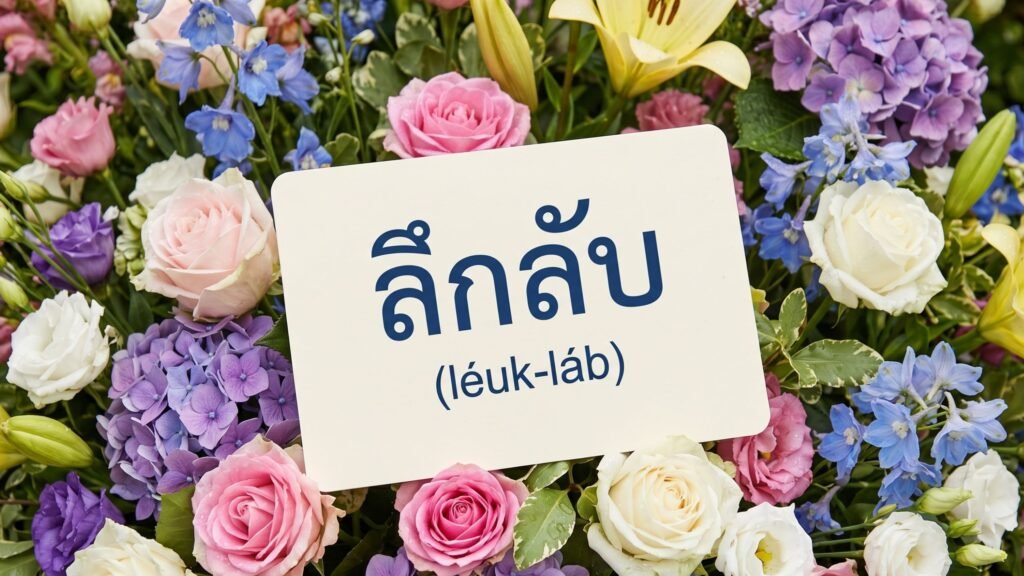
In this Thai lesson, we learn how to use the adjective ลึกลับ (léuk-láb), which means ‘mysterious,’ ‘secretive,’ or ‘difficult to understand. It describes something or someone that is not easily explained, hidden from view, or surrounded by uncertainty.

In this Thai lesson, we learn how to use the noun เพื่อน (phêuan), which means ‘friend’. It refers to someone with whom you have a personal relationship based on familiarity, trust, or shared experiences.
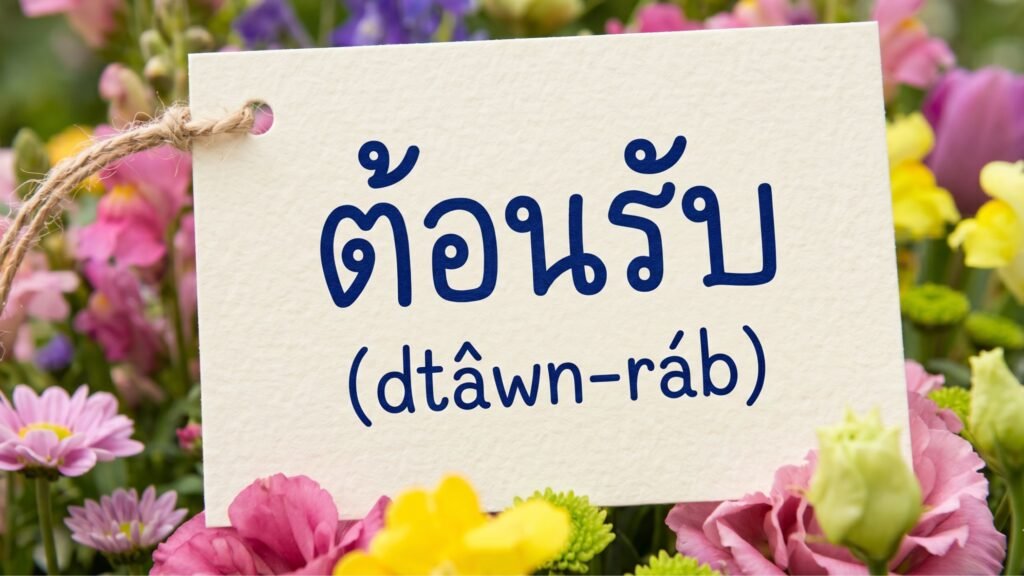
In this Thai lesson, we learn how to use the verb ต้อนรับ (dtâwn-ráb), which means ‘to welcome’ or ‘to receive someone warmly’. It describes the act of meeting visitors, guests, or newcomers in a friendly and hospitable way.
Daily Thai Confidence: Using ต้อนรับ (dtâwn-ráb) Read More »
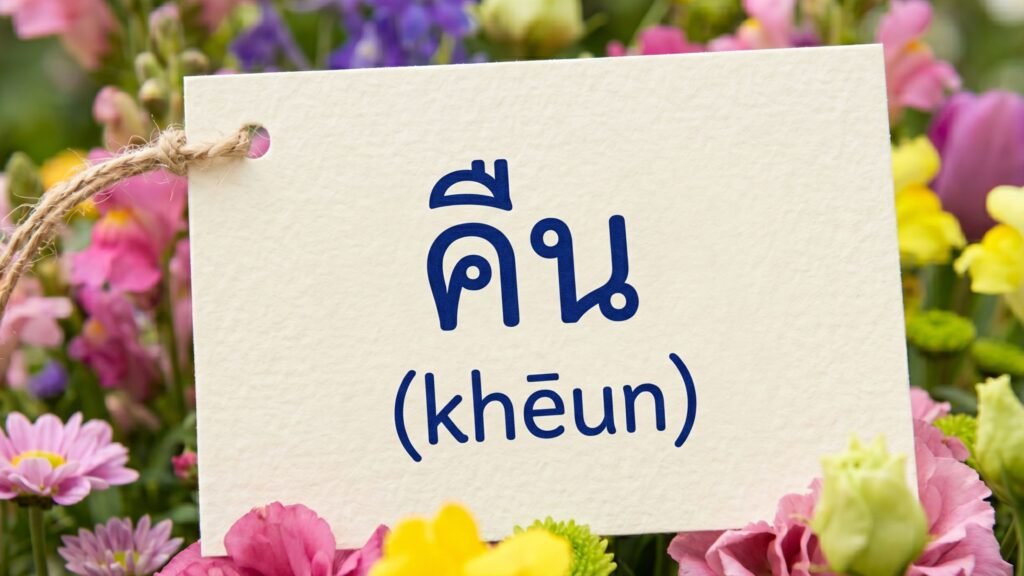
In this Thai lesson, we learn how to use the verb คืน (khēun), which means ‘to return’ something to its owner. It is used when something that was borrowed, taken, or received is given back.
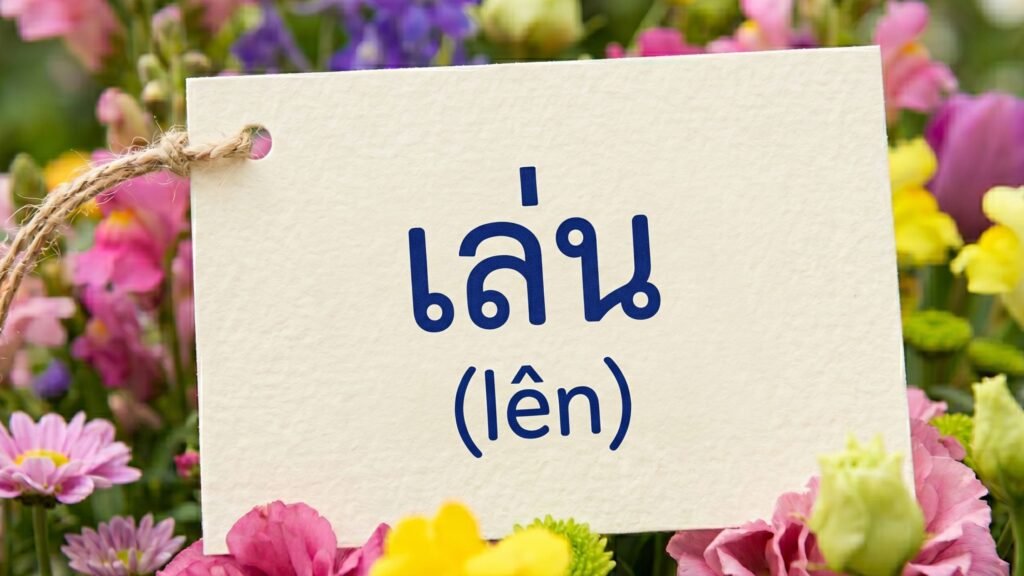
In this Thai lesson, we learn how to use the verb เล่น (lên), which means ‘to play’. It can refer to playing games, sports, music, or simply having fun. It can be followed by a noun (a word that names the activity, sport, game, or instrument) or a complement (a phrase that describes the activity or situation, depending on what you want to express).
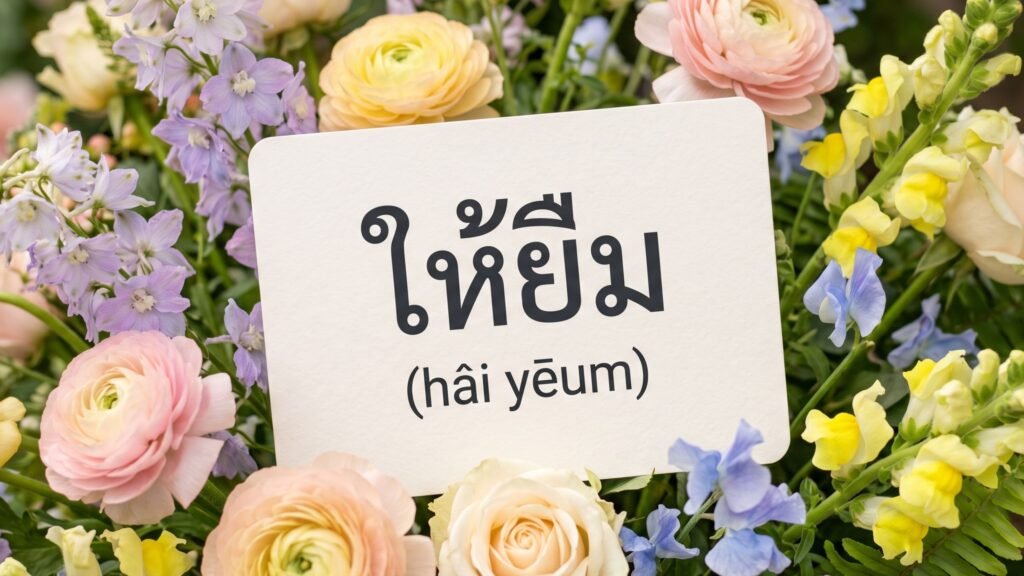
In this Thai lesson, we learn how to use the verb ให้ยืม (hâi yēum), which means ‘to lend’. It is used when someone allows another person to borrow something with the expectation that it will be returned.