Daily Thai Confidence

Small Steps. Clear Guidance. Real Progress. This section is dedicated to helping you build vocabulary and confidence in Thai every single day. Here, you’ll find focused posts exploring one word at a time — not just its meaning, but how it’s actually used in real contexts. Each entry goes beyond simple translation. I break down usage, common patterns, and example sentences designed to help you understand how the word functions naturally in conversation. The aim is to strengthen your vocabulary knowledge while also developing your ability to use Thai accurately and confidently.

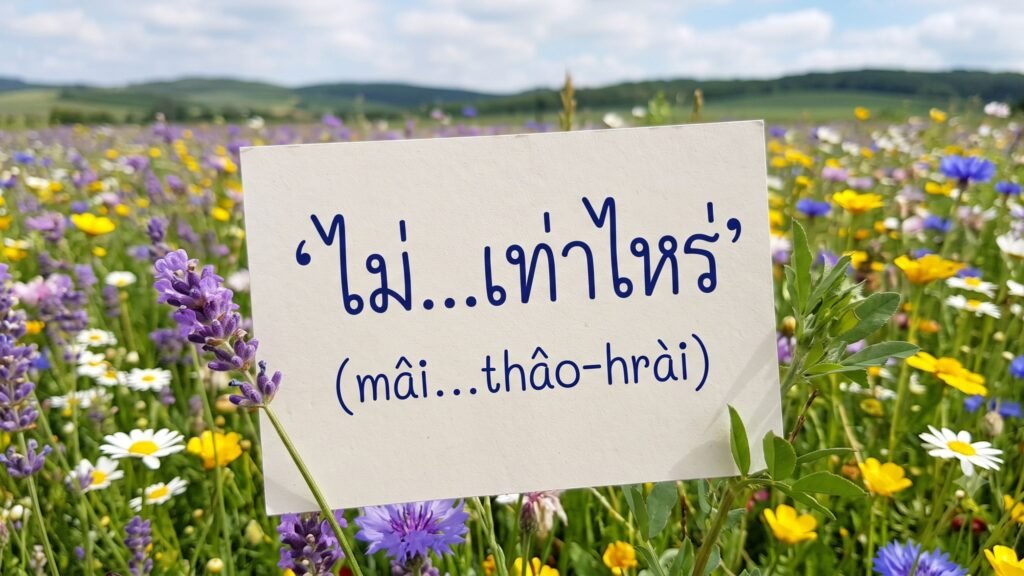
Daily Thai Confidence — Using ไม่…เท่าไหร่ (mâi…thâo-hrài)

In this Thai lesson, we learn how to use the common Thai pattern ไม่…เท่าไหร่ (mâi…thâo-hrài), which can be translated to ‘not very…,’ ‘not much,’ ‘not really,’ or ‘not that…’ It is used to express that something is less than expected or not to a great degree.

Daily Thai Confidence — Using ไม่…เท่าไหร่ (mâi…thâo-hrài) Read More »
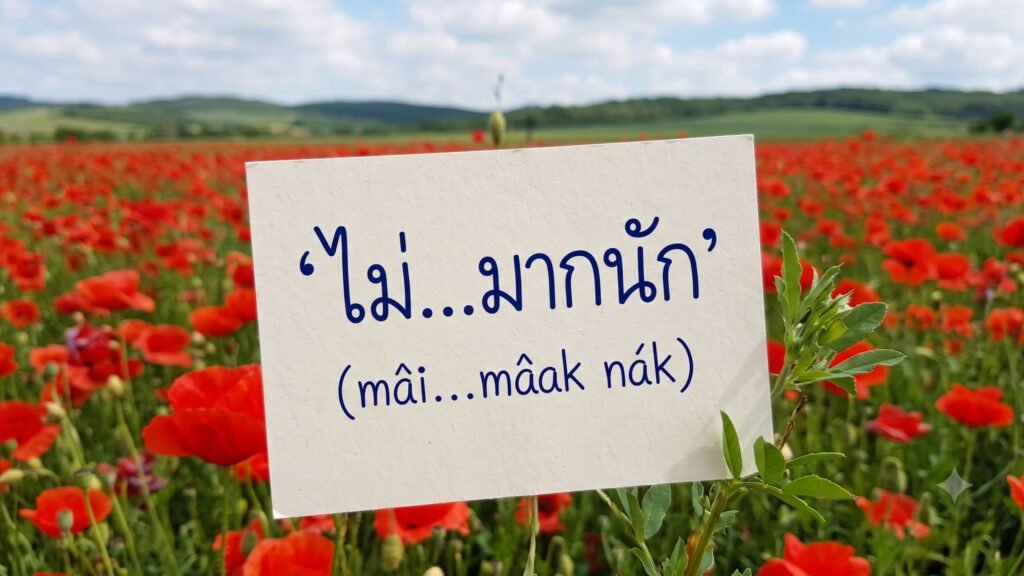
Daily Thai Confidence — Using ไม่…มากนัก (mâi…mâak nák)

In this Thai lesson, we learn how to use the common Thai pattern ไม่…มากนัก (mâi…mâak nák), which can be translated to ‘not very…’ or ‘not particularly…’ It is a common Thai pattern used to soften a negative statement, making it sound more polite and less direct than simply saying ไม่… (mâi… = not…)

Daily Thai Confidence — Using ไม่…มากนัก (mâi…mâak nák) Read More »

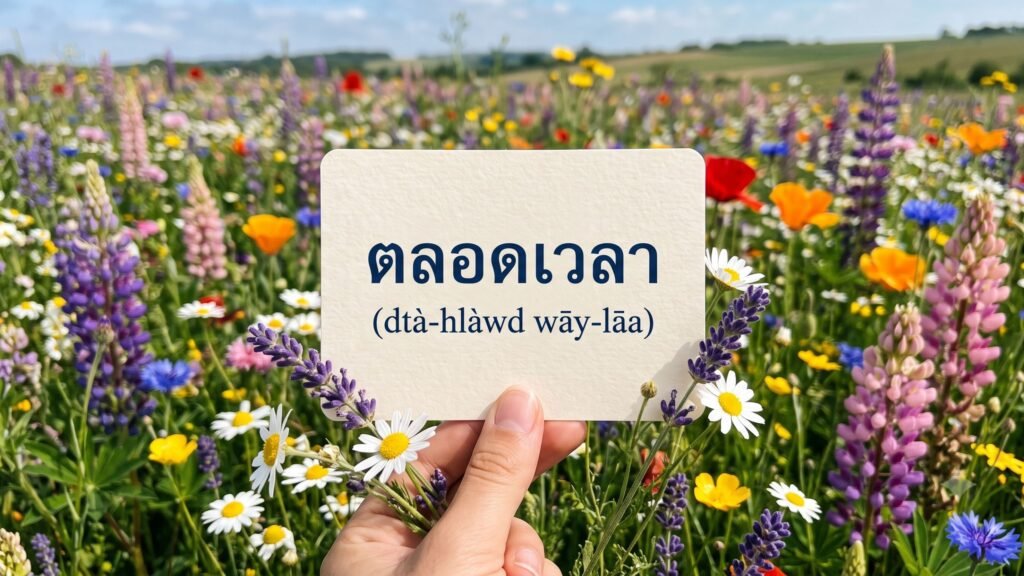
Daily Thai Confidence — Using ตลอดเวลา (dtà-hlàwd wāy-lāa)

In this Thai lesson, we learn how to use the adverb of time ตลอดเวลา (dtà-hlàwd wāy-lāa), which means ‘all the time,’ ‘the whole time,’ ‘constantly,’ or ‘at all times.’ It describes an action or state that continues over an entire period, rather than simply describing how often something happens.

Daily Thai Confidence — Using ตลอดเวลา (dtà-hlàwd wāy-lāa) Read More »

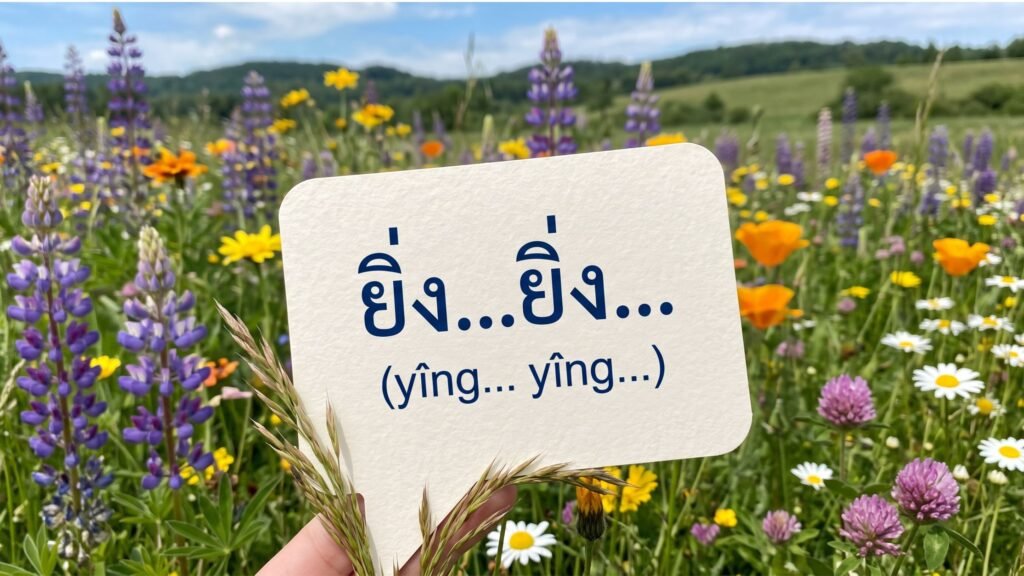
Daily Thai Confidence — Using ยิ่ง…ยิ่ง… (yîng… yîng…)

In this Thai lesson, we learn how to use the common Thai pattern ยิ่ง…ยิ่ง… (yîng… yîng…), which can be translated to ‘the more…, the more…’ This structure is used to show that as one thing increased or changes, another thing also increases or changes.

Daily Thai Confidence — Using ยิ่ง…ยิ่ง… (yîng… yîng…) Read More »

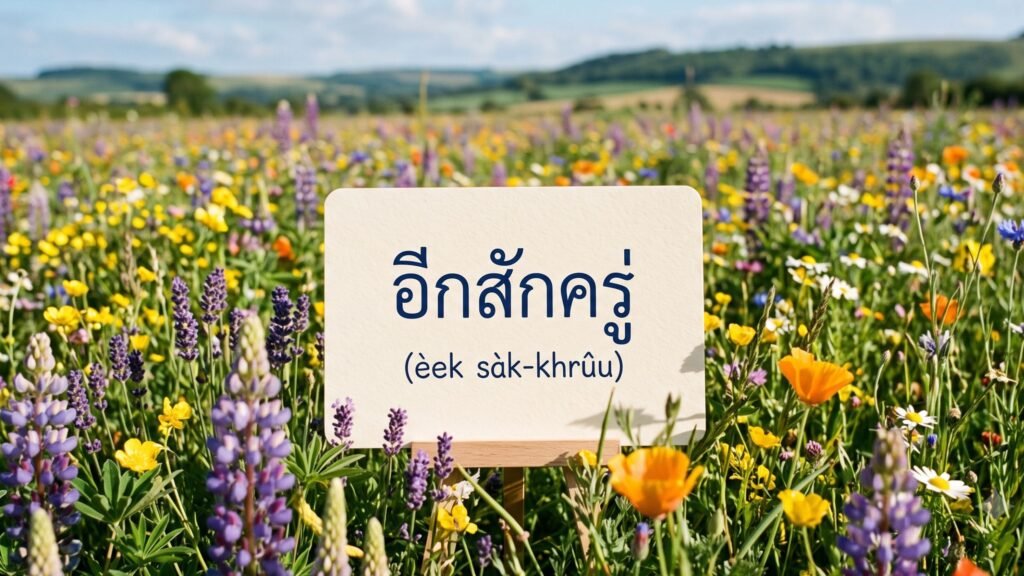
Daily Thai Confidence — Using อีกสักครู่ (èek sàk-khrûu)

In this Thai lesson, we learn how to use the adverb of time อีกสักครู่ (èek sàk-khrûu), which means ‘in a little while,’ ‘in a moment,’ ‘shortly,’ or ‘just a moment longer.’ Thai speakers use this expression to indicate that something will happen after a brief wait, making it a common and polite way to talk about the near future.

Daily Thai Confidence — Using อีกสักครู่ (èek sàk-khrûu) Read More »

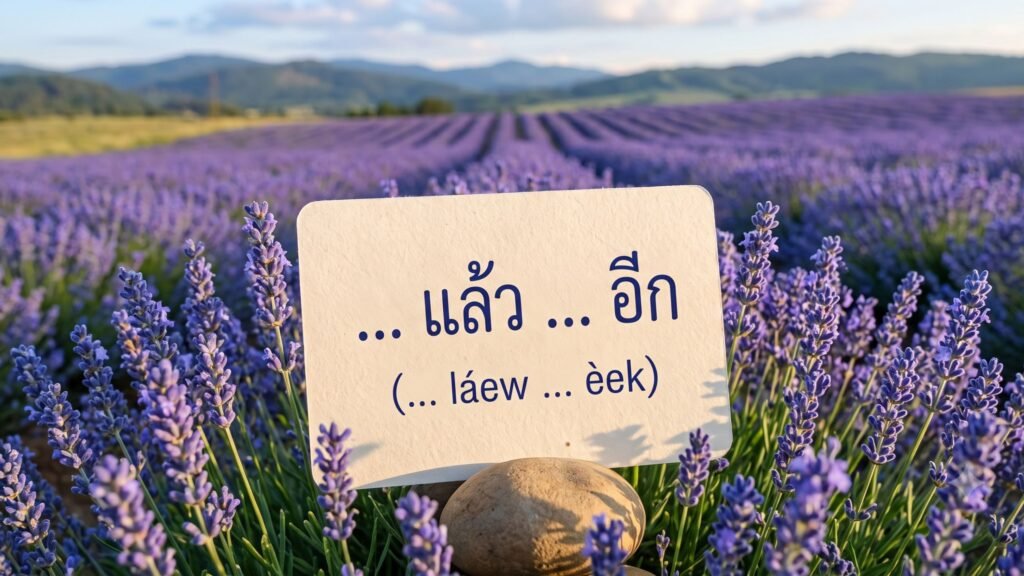
Daily Thai Confidence — Using … แล้ว … อีก (… láew … èek)

In this Thai lesson, we learn how to use the common Thai pattern … แล้ว … อีก (… láew … èek), which expresses repeated actions. By repeating the same verb with แล้ว (láew = already) and อีก (èek = again), Thai speakers emphasise that something happens over and over again.

Daily Thai Confidence — Using … แล้ว … อีก (… láew … èek) Read More »

Daily Thai Confidence — Using หนักเอาเบาสู้ (hnàk āo bāo sûu)

In this Thai lesson, we learn how to use the idiomatic expression หนักเอาเบาสู้ (hnàk āo bāo sûu), which means ‘to work tirelessly,’ ‘to be willing to take on any task,’ ‘to persevere through hardship,’ or ‘to never shy away from hard work.’ It describes someone who is hard-working, resilient, and dependable, willing to do both difficult and easy tasks without complaining.

Daily Thai Confidence — Using หนักเอาเบาสู้ (hnàk āo bāo sûu) Read More »

Daily Thai Confidence — Using เข้ากันไม่ได้ (khâo gān mâi dâi)

In this Thai lesson, we learn how to use the verb phrase เข้ากันไม่ได้ (khâo gān mâi dâi), which means ‘not get along,’ ‘not compatible,’ or ‘don’t fit together’ (more abstract or people-focused). It describes people, things, or ideas that do not match well, usually due to differences in personality, style, or thinking.

Daily Thai Confidence — Using เข้ากันไม่ได้ (khâo gān mâi dâi) Read More »

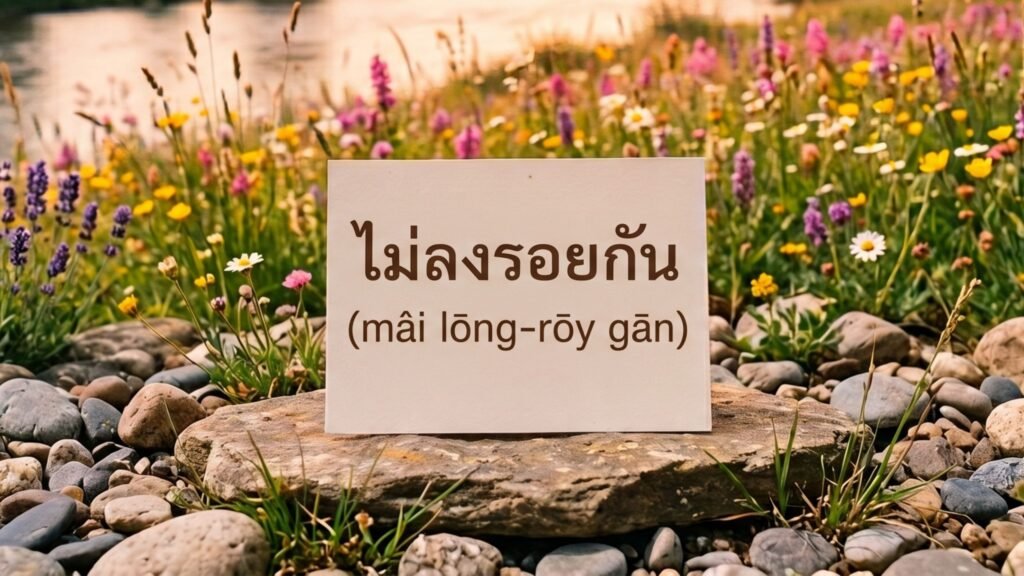
Daily Thai Confidence — Using ไม่ลงรอยกัน (mâi lōng-rōy gān)

In this Thai lesson, we learn how to use the idiomatic expression ไม่ลงรอยกัน (mâi lōng-rōy gān), which means ‘to not get along’ or ‘to be at odds.’ It describes an ongoing lack of harmony between two or more people, usually because of conflicting personalities, opinions, values, or repeated disagreements.

Daily Thai Confidence — Using ไม่ลงรอยกัน (mâi lōng-rōy gān) Read More »

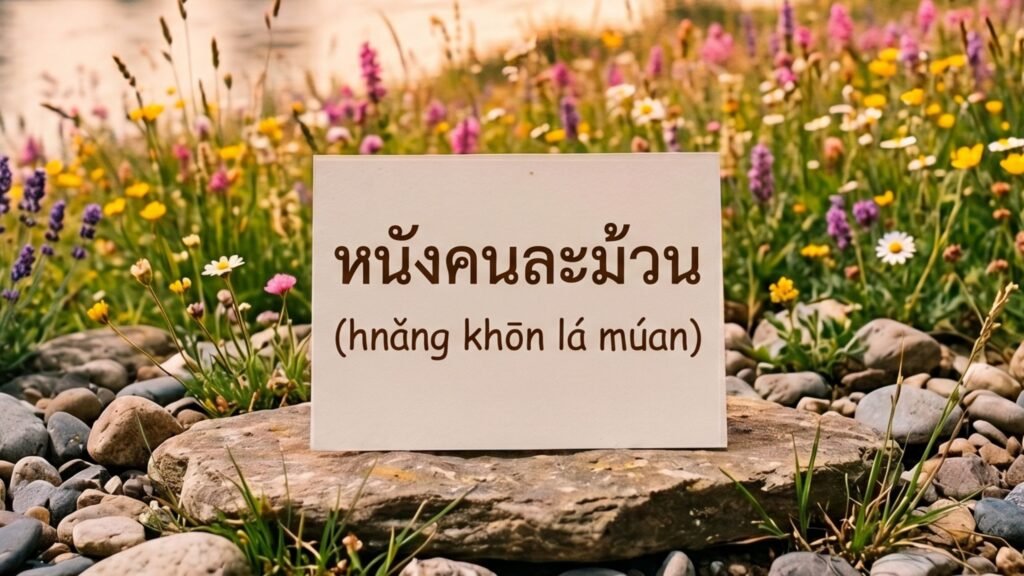
Daily Thai Confidence — Using หนังคนละม้วน (hnǎng khōn lá múan)

In this Thai lesson, we learn how to use the idiomatic expression หนังคนละม้วน (hnǎng khōn lá múan), which means ‘a completely different story’ or ‘a different version altogether.’ It describes something that is so different from what was expected or previously known that it feels like an entirely different story or version of events.

Daily Thai Confidence — Using หนังคนละม้วน (hnǎng khōn lá múan) Read More »

Daily Thai Confidence — Using ละเมิด (lá-mêuhd)

In this Thai lesson, we learn how to use the verb ละเมิด (lá-mêuhd), which means ‘to violate,’ ‘to infringe,’ ‘to break rules, rights, or laws,’ or ‘to trespass on someone’s rights or privacy.’ It is used when someone crosses a serious boundary, especially legal, social, or personal ones.

Daily Thai Confidence — Using ละเมิด (lá-mêuhd) Read More »

error: Content is protected !!